Swiss Regulations Linking Responsible Play Mechanisms to Slot Mechanics and Mobile Transaction Protocols
Rafael Richter · Sep 20, 2026
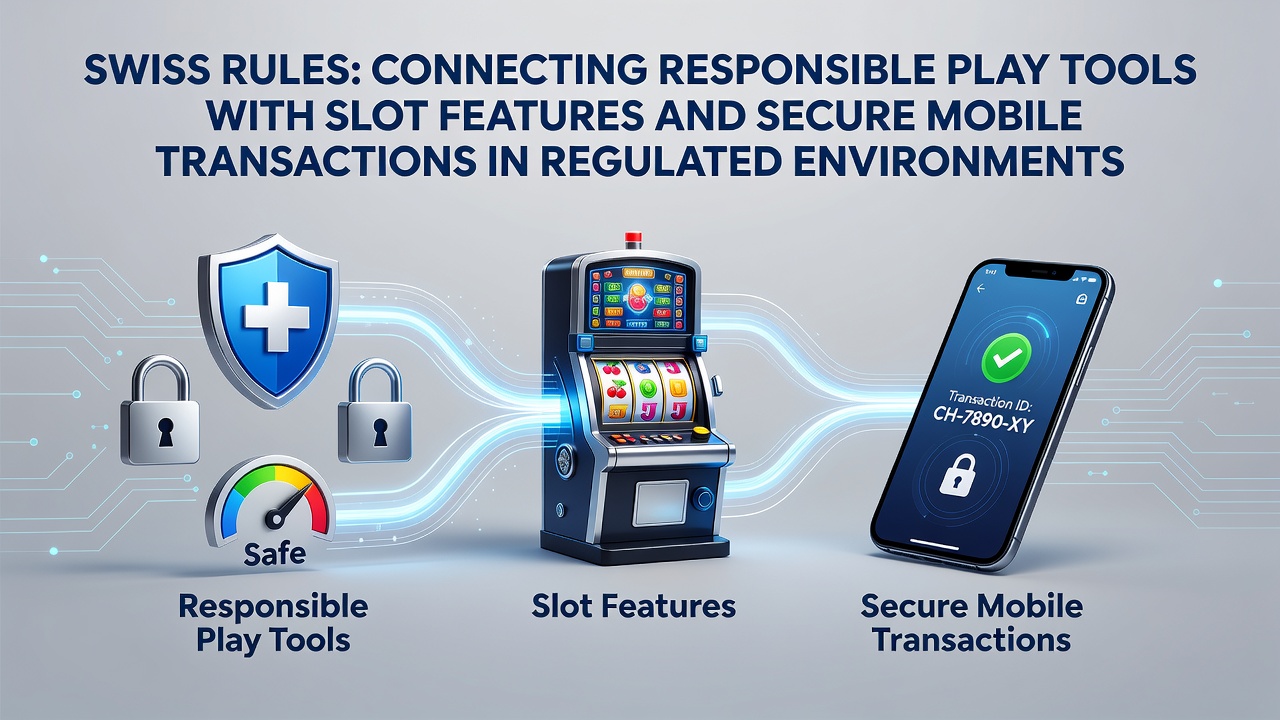
Swiss Regulations Linking Responsible Play Mechanisms to Slot Mechanics and Mobile Transaction Protocols
Swiss federal rules establish direct connections between responsible play instruments and the technical specifications that govern slot machines along with the encryption standards required for mobile payment flows in licensed online environments, and these connections have tightened through successive updates issued by the Federal Gaming Board since the 2019 market opening.
Regulatory Foundations in Switzerland
Data from the Swiss Federal Office of Justice shows that the Money Games Act requires operators to embed session limit tools and reality checks directly into game interfaces so players encounter spending caps before any reel spin begins, while the same statute mandates that all mobile transactions route through certified payment gateways that log every deposit and withdrawal with timestamps and device identifiers. Observers note that these requirements create a unified compliance layer rather than separate add-ons, which means slot software must read player-set limits in real time and pause play when thresholds are reached.
September 2026 marks the scheduled rollout of updated technical standards that will require slot random number generators to interface with central responsible gaming databases maintained by the Swiss authorities, allowing automatic enforcement of exclusion lists across both land-based and mobile channels without manual operator intervention.
Integration of Responsible Play Tools with Slot Features
Under current ESBK guidelines, features such as adjustable payline counts and bonus round triggers must respect pre-set loss limits, and the system blocks access to high-volatility modes once a player reaches 80 percent of a daily cap. Research conducted by the University of St. Gallen indicates that this linkage reduces average session length by measurable margins because the game engine itself enforces the boundary rather than relying on pop-up messages alone.
Operators must also display the theoretical return-to-player percentage alongside the current loss-limit status on every screen, and the interface updates the remaining budget figure after each spin so players maintain continuous awareness of their position relative to the chosen threshold. The ball is in the game provider's court to ensure that progressive jackpot contributions do not bypass these controls, which means jackpot meters pause when a player approaches a limit.
Secure Mobile Transaction Requirements
Payment security rules demand that every mobile deposit uses tokenised authentication combined with device fingerprinting, and the same tokens feed into the responsible gaming engine so transaction history directly informs limit calculations. According to figures published by the Swiss National Bank on digital payment volumes, regulated operators processed more than 2.4 million mobile transactions in the first half of 2025 with zero reported breaches of the required two-factor protocols.
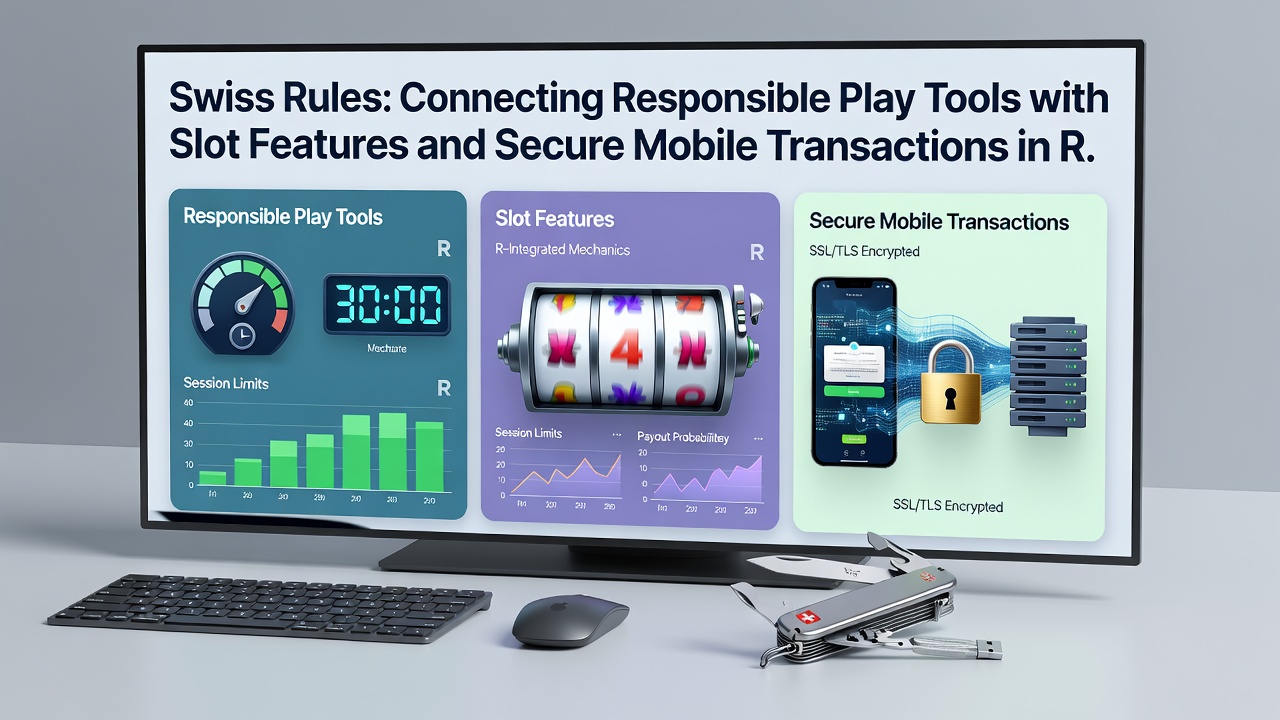
Transaction logs must be retained for five years and remain accessible to regulatory auditors within 24 hours of request, while the underlying encryption standards align with those specified in the Federal Act on Data Protection. This alignment ensures that personal financial data used for deposit verification also supports the calculation of personalised risk profiles that trigger additional responsible play prompts when spending patterns deviate from established baselines.
Operational Interplay Across Platforms
Licensed providers must demonstrate during annual audits that slot features cannot override transaction security layers, and that mobile wallets cannot bypass responsible play flags set on desktop accounts. One documented case involved an operator adjusting its RNG certification process so that jackpot eligibility checks run after every limit verification, which eliminated instances where players exceeded caps through rapid successive deposits. What's interesting is that these technical adjustments occurred without altering core game mathematics, preserving the certified return percentages while satisfying both security and responsibility mandates.
Cross-border cooperation agreements allow Swiss regulators to share exclusion data with authorities in neighbouring jurisdictions, and this exchange extends to mobile transaction metadata when players attempt to access services from outside permitted territories. The result is a closed loop where responsible play status, slot configuration, and payment authorisation all reference the same central player record.
Conclusion
Swiss rules create a single compliance architecture in which responsible play tools, slot mechanics, and mobile transaction security operate as interdependent components rather than isolated modules, and the September 2026 enhancements will deepen that interdependence by embedding database queries directly into game engines. Operators who maintain current certifications continue to demonstrate that these integrated systems function without disrupting player experience or regulatory reporting timelines.